
Medicare Part D Penalty: What It Really Costs If You Don’t Enroll at 65
Medicare Part D Penalty: What This Guide Covers
This guide explains medicare part d penalty in plain language, reviewed by a licensed Octans agent. Use the summary below to jump to the section you need, and contact us with questions about your own situation.
- What Is Medicare Part D?
- What Happens If You Don’t Enroll in Part D at Age 65?
- How the Medicare Part D Penalty Is Calculated
- What Does the Part D Penalty Cost in Real Dollars?
- Is There a Maximum Medicare Part D Penalty?
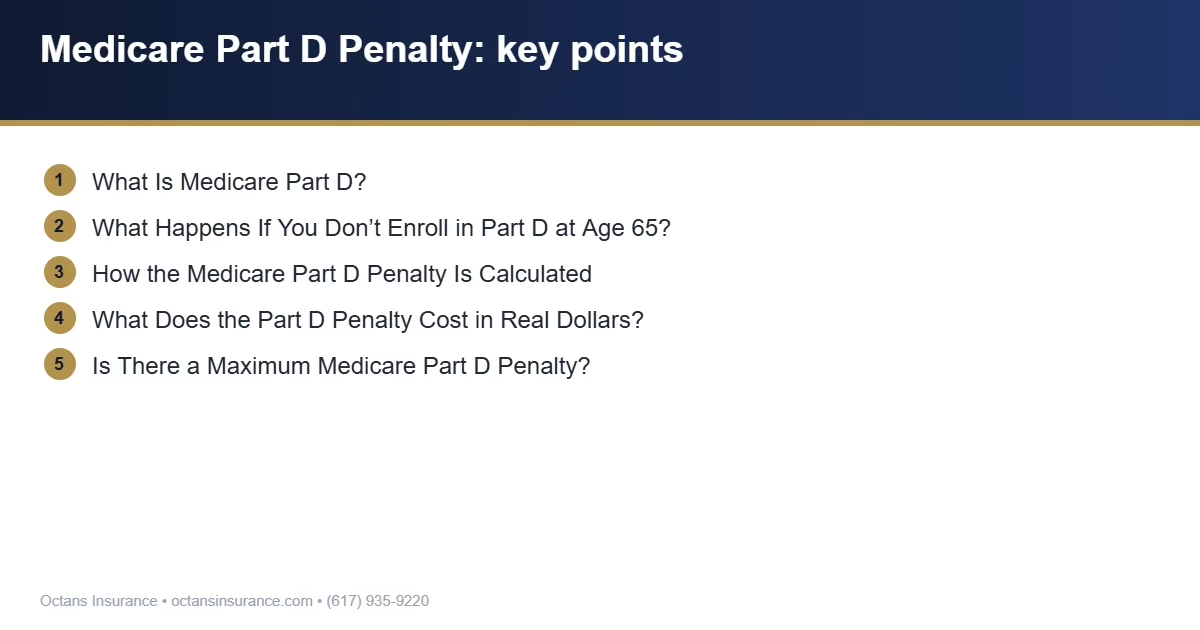
Table of Contents
An Octans Insurance Guide
Turning 65 comes with a flood of Medicare decisions—and Medicare Part D is one of the most misunderstood.
At Octans Insurance, we regularly speak with people who delayed Part D because they didn’t take prescriptions at the time. Unfortunately, many don’t realize that waiting can trigger a lifetime financial penalty.
In this guide, we explain exactly how the Medicare Part D penalty works, how much it costs in real dollars, and how to avoid paying more than you should.

What Is Medicare Part D?
Medicare Part D is optional prescription drug coverage offered through private insurance companies approved by Medicare.
While enrollment is optional, Medicare penalizes late enrollment unless you have qualifying drug coverage from another source.
What Happens If You Don’t Enroll in Part D at Age 65?
If you don’t enroll when first eligible and you don’t have creditable prescription drug coverage, Medicare applies a late-enrollment penalty.
The critical rule:
- Going 63 consecutive days or more without creditable coverage triggers the penalty
- The penalty is permanent once applied
- It is added to your Part D premium every month for life
How the Medicare Part D Penalty Is Calculated
Medicare uses a simple formula:
1% × the national base beneficiary premium × every full month delayed
Key points Octans Insurance wants you to know:
- The percentage grows the longer you wait
- There is no maximum cap
- The dollar amount can increase each year
- You pay it for as long as you have Part D
What Does the Part D Penalty Cost in Real Dollars?
Using a national base premium of approximately $35/month, here’s what delaying looks like.
3 Years Late (36 Months)
- Penalty: 36%
- Monthly cost: ~$12.60
- Annual cost: ~$151
- 20-year cost: ~$3,000
4 Years Late (48 Months)
- Penalty: 48%
- Monthly cost: ~$16.80
- Annual cost: ~$202
- 20-year cost: ~$4,000
10 Years Late (120 Months)
This is where the mistake becomes costly.
- Penalty: 120%
- Monthly cost: ~$42.00
- Annual cost: ~$504
- 10-year cost on Part D: ~$5,040
- 20-year cost: $10,000+
⚠️ This is only the penalty—not the prescription plan itself.
Is There a Maximum Medicare Part D Penalty?
No. There is no maximum penalty percentage.
Examples:
- 15 years late → ~180% → ~$63/month
- 20 years late → ~240% → ~$84/month
The penalty continues increasing the longer enrollment is delayed.
When Can You Delay Part D Without a Penalty?
You may safely delay Part D if you have creditable prescription drug coverage, such as:
- Employer or union plans
- Retiree health coverage
- VA prescription benefits
- TRICARE
- Federal Employee Health Benefits (FEHB)
Most plans provide an annual notice confirming whether coverage is creditable.
Why Octans Insurance Often Recommends Enrolling at 65
Even for healthy individuals with no current prescriptions, enrolling in a $0 or low-premium Part D plan can:
- Prevent lifetime penalties
- Preserve future flexibility
- Protect against sudden prescription needs
- Cost less than penalties later
This is often a strategic financial decision, not a medical one.
The Bottom Line from Octans Insurance
Delaying Medicare Part D without creditable coverage can cost thousands of dollars over your lifetime—often unnecessarily.
At Octans Insurance, our role is to:
- Review your current coverage
- Confirm whether it’s creditable
- Help you avoid penalties
- Design the most cost-effective Medicare strategy
Need Help with Medicare Decisions?
Every situation is unique. A short review can help determine:
- Whether you should enroll now
- Whether you qualify for a Special Enrollment Period
- How to minimize or avoid penalties
Octans Insurance works with individuals, families, and retirees to simplify Medicare and protect long-term financial health.
Not affiliated or endorsed by Medicare or any government agency.
For more information – https://www.medicare.gov/health-drug-plans/part-d
Keep Reading: Related Guides
- What you can change during Medicare annual enrollment
- How and when to change Medicare plans
- Medicare deductibles explained
Medicare Part D Penalty: Frequently Asked Questions
How is the Medicare Part D penalty calculated?
The Medicare Part D penalty is 1% of the national base beneficiary premium ($38.99 in 2026) for each full month you went without creditable drug coverage. For example, 24 months without coverage adds about $9.40 per month, and the penalty usually lasts as long as you have Part D.
How can I avoid the Medicare Part D penalty?
Enroll in a Part D plan or Medicare Advantage plan with drug coverage when you are first eligible, or keep creditable drug coverage from an employer or union. A gap of 63 or more days without creditable coverage triggers the Medicare Part D penalty.
Medicare Part D Penalty: Next Steps With a Licensed Agent
Questions about medicare part d penalty usually depend on your age, health, state, and budget. A licensed Octans agent can review your situation, compare options from more than 120 carriers, and explain the trade-offs before you decide. Call (617) 935-9220 or request a free quote.


Related guides
We do not offer every plan available in your area. Please contact Medicare.gov or 1-800-MEDICARE to get information on all of your options.
Sources: Medicare.gov; Centers for Medicare & Medicaid Services. This article is for general information and is not tax, legal, or medical advice.